From my childhood days to the present, I’ve been captivated by the vibrant colors of a sunrise as well as the darkening of the horizon as day yields to sunset.
This past Friday I settled into my blind to enjoy the sights and sounds of Mother Nature, and she rewarded me with the shuffling feet of a covey of quail on fallen leaves, the cawing of crows in a nearby corn field, and to an unsuspecting bobcat who trotted past me, oblivious to my presence.
My contemplative moment was interrupted when my chair suddenly ripped, and I fell to the ground. When I landed on my rump with a bone-rattling thump, I was certain that seismic monitors had sent an earthquake alert to the USGS.

Though I’m on the hefty side, the problem was not my weight, and it was not moths who had the munchies—it was a mouse. A mouse! My solitude had been gnawed away through the turpitude of a ravenous rodent that had devoured the underside of my chair like it was a Thanksgiving feast.
As I was lying on the ground, I thought of the wise words of Jesus: “Do not store up for yourselves treasures on earth where moth and rust destroy and where thieves break in and steal. But store up for yourselves treasures in heaven, where neither moth nor rust destroy and where thieves do not break in nor steal, for where your treasure is, there will your heart be also (Matthew 6:19-21).”
Even though my treasure was fairly new, comfortable, strong and sturdy, it was no match for the teeth of a tiny mouse with the appetite of a Tyrannosaurus Rex.
What about your treasures? Are they fragile, frail, and feeble, or are they decent, distinctive, and dynamic? “Where your treasure is, there will your heart be also.
 Can you answer yes to these four questions?
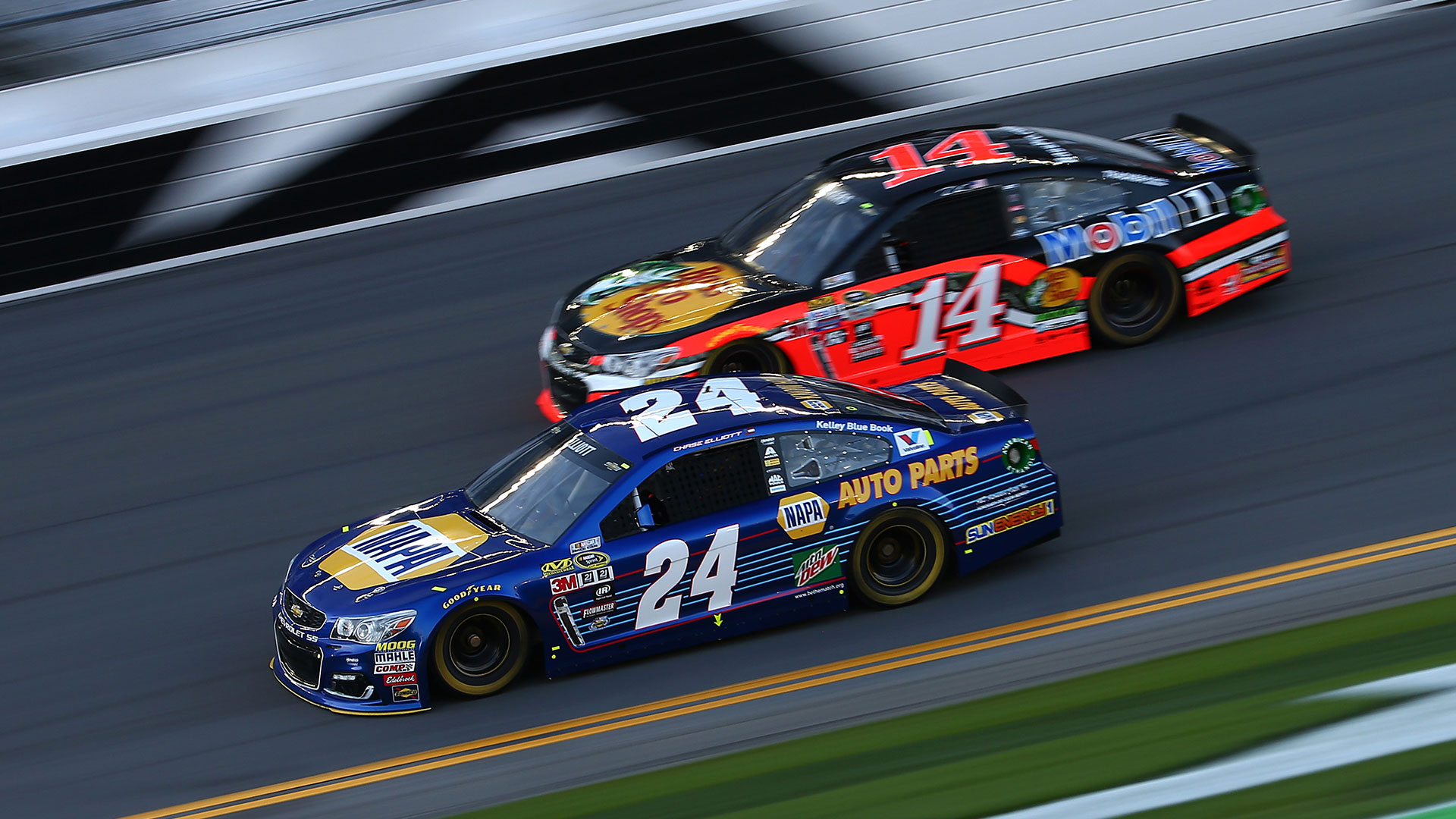 A word that elicits a wide range of emotions is NASCAR . Some people shake their head in bewilderment thinking it is a waste of time to watch grown men drive a car in circles. Then, there are those who froth at the mouth when they hear the rumble of a finely tuned engine that propels a driver down the straightaways in excess of 200 MPH.
 Even though it sank on April 15, 1912, the Titanic is one of the most famous ships that ever sailed the sea, and of her 711 survivors, the unsinkable Molly Brown may be the most famous.
 When I read the news from France early this morning, I was reminded of the words of Jesus: “a time is coming when anyone who kills you will think he is offering service to God (John 16:2).”
 Fashion is not my forte, and I’m certainly not the model image of a fashion model from GQ. I do, however, know enough about fashion to know that Bill Cunningham, the legendary photojournalist for The New York Times, died on Saturday.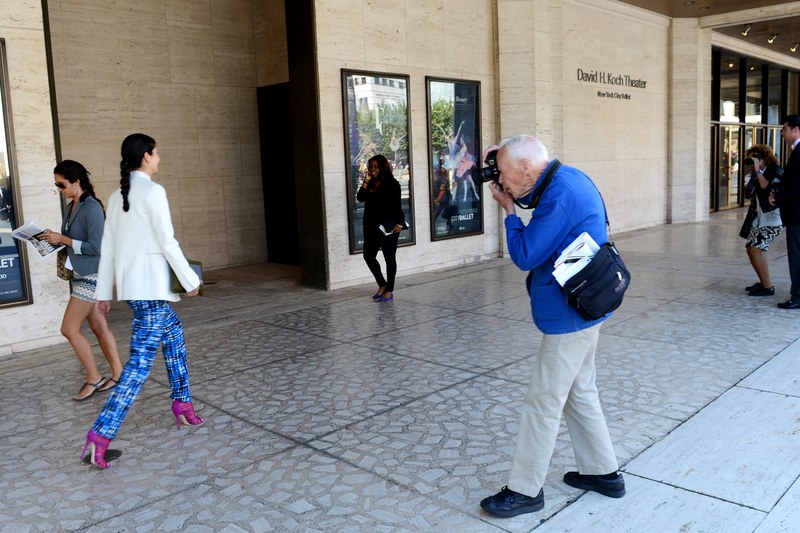
 With the exception of Sunday, my morning routine includes a little java and journalism. On Sundays I still drink the coffee, but I skip the newspaper.
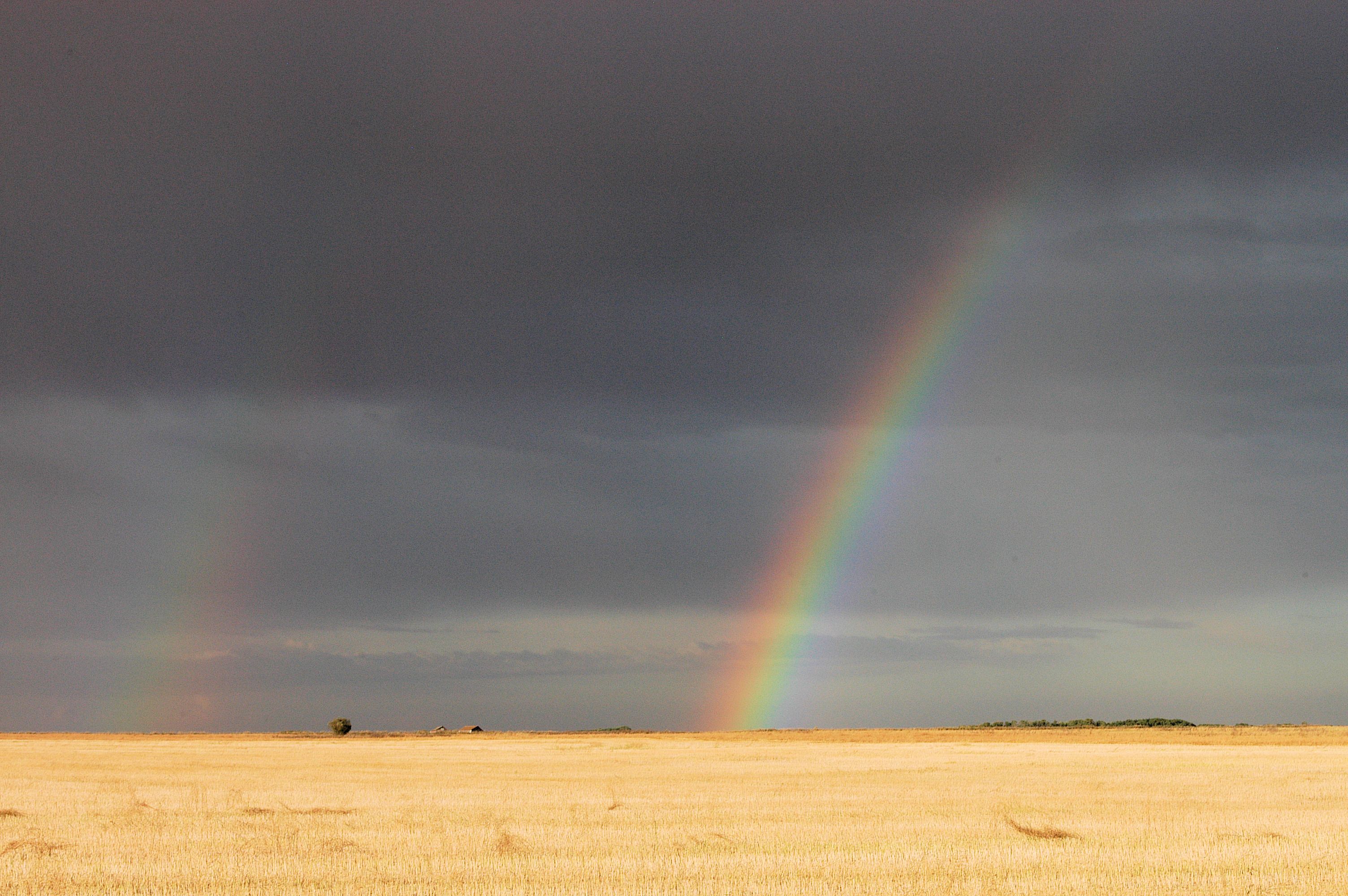 Tuesday morning, I was driving west towards Wichita and I was blessed with the beauty of a double rainbow. As the dazzling colors shone brightly against the distant backdrop of dark and menacing clouds, I was reminded that life is much like that storm.
 Quintus Horatius Flaccus was a poet who lived during the reign of Caesar Augustus, and he’s credited with saying: Exegi monumentum aere perennius. This phrase is found after the final poem in Horaces third book, and it means: I have made a monument more lasting than bronze.
 When I hear a puzzling story or a comment about someone or some event, I wonder about the specifics of the situation and ask:
 insightbyseymour